
Federal Loan Policy Is Pricing Women Out of Healthcare’s Most Critical Roles
The July 1 changes are being framed as student loan policy. But they raise a larger question about what kind of labor, and whose labor, America is willing to invest in.
The July 1 changes are being framed as student loan policy. But they raise a larger question about what kind of labor, and whose labor, America is willing to invest in.

Why has there been so little progress against the rate of osteoporotic fractures and the associated morbidity and mortality? The deaths are real, the pain and suffering are real — and almost all of us have witnessed it. And, of course, the cost to our health system, $57 billion per year, is real.


Healthcare payments are no longer about transactions. It’s about controlling the revenue cycle. And increasingly, that control is not sitting with ISOs.

The women’s health market offers enormous potential for investment and innovation. While challenges related to systemic inequalities remain, progress in venture capital funding is encouraging. Likewise, the overall increase in patent filings related to breast cancer, endometriosis, and other conditions appears to reflect a growing interest in women’s health.

State, federal, and academic initiatives have poured time and resources into understanding and addressing these gaps. So why haven’t we made real, lasting progress?

We need to embrace a more holistic, integrated approach to mental healthcare: one that combines the best of human expertise with rapid innovations of technology, all while being mindful of the real-world challenges faced by marginalized and underserved communities.
Modern trial designs, digital solutions and a deeper understanding of patient realities are helping to open research to more people, including women and others who have historically been underrepresented.


In an interview, Kyan Health Co-Founder and Chief Commercial Officer Konstantin Struck discussed how Kyan gives mid-market and enterprise employers access to premium workforce mental healthcare, at a price point that is affordable.

With $500 billion allocated to the Stargate initiative, just imagine what could be done if 10% of that focused on women, who make up 51% of the population.

Mental health inequities are costing the U.S. $477.5 billion annually. This could rise to $1.3 trillion in 2040 if left unaddressed.

Automation can be a powerful tool to bring together all the pieces needed to provide optimal care that can be scattered across various systems and apps. Whether it’s to exchange patient data quickly and easily, identify communities in need of programs to address food inequity, or reduce no-shows by sending automatic reminders, using the right technology is an essential tool for achieving better patient care.

Medical algorithms will continue to preserve the racial bias that has been historically baked into the U.S. healthcare system unless the medical field stops operationalizing race in its machine learning models, according to panelists at a recent panel hosted by the Philadelphia Alliance for Capital and Technologies. They argued algorithms should use social determinants of health as a predictor of health outcomes instead of race.

Healthcare decision-makers, especially at pharmaceutical companies, must prioritize patient input. Data collected from social media listening is a significant step in the right direction.

Underrepresented groups traditionally were thought to have limited access to technology. But internet access is on the rise and researchers can take steps to increase participant diversity and be more inclusive.

To follow in the footsteps of the European Renaissance, healthcare leaders and clinicians need to drive the creation of a revitalized delivery model that works for all patients, not just those with greater means.
The IBC Foundation Institute for Health Equity's initial focus areas will include digital health, cultural competence in medicine and maternal health. The money committed for the creation of the Institute will be spent over a five-year period.
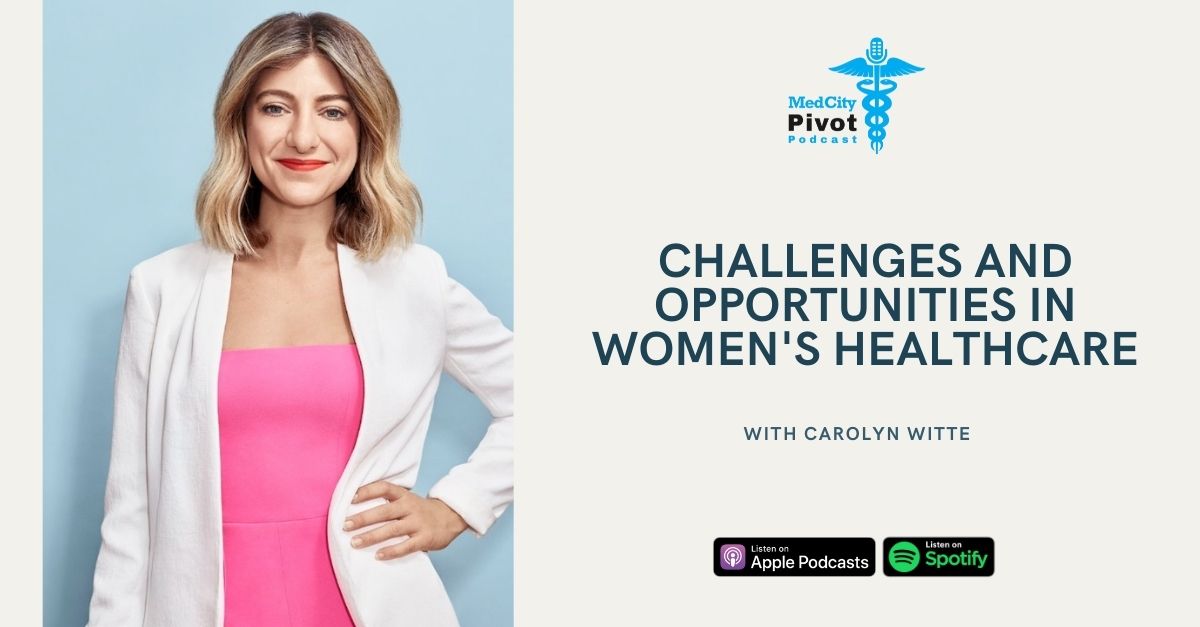
The siloed approach to women's healthcare is one of the main reasons the U.S. is unable to improve its record in this arena, according to Carolyn Witte, co-founder of startup Tia. In our latest episode, she discusses how her company is trying to solve this issue while also working to close the gaps that deepen health inequities in this space.